
Innovation and technology
At Twinza, innovation is more than a value. It is how we unlock greater potential from our assets. We actively adopt and support new technologies where they can deliver enhanced value for the company and our stakeholders.
Advanced subsurface interpretation
During the development of the Pasca A field, Twinza applied a joint impedance and facies inversion (JiFi) technique to improve the understanding of porosity distribution away from the wells.
Unlike traditional inversion methods, which rely on well data inputs, JiFi removes this dependency. With only three wells available prior to Pasca A4, and no high confidence interpretations among them, traditional inversion would have yielded compromised results. JiFi enabled Twinza to predict improved porosity in the centre of the reef, aligning with geological expectations. This was later confirmed by the drilling of Pasca A4.
Twinza co-authored a paper with Ikon Science highlighting the success and value of this innovative approach Improved characterisation of carbonate reservoirs.
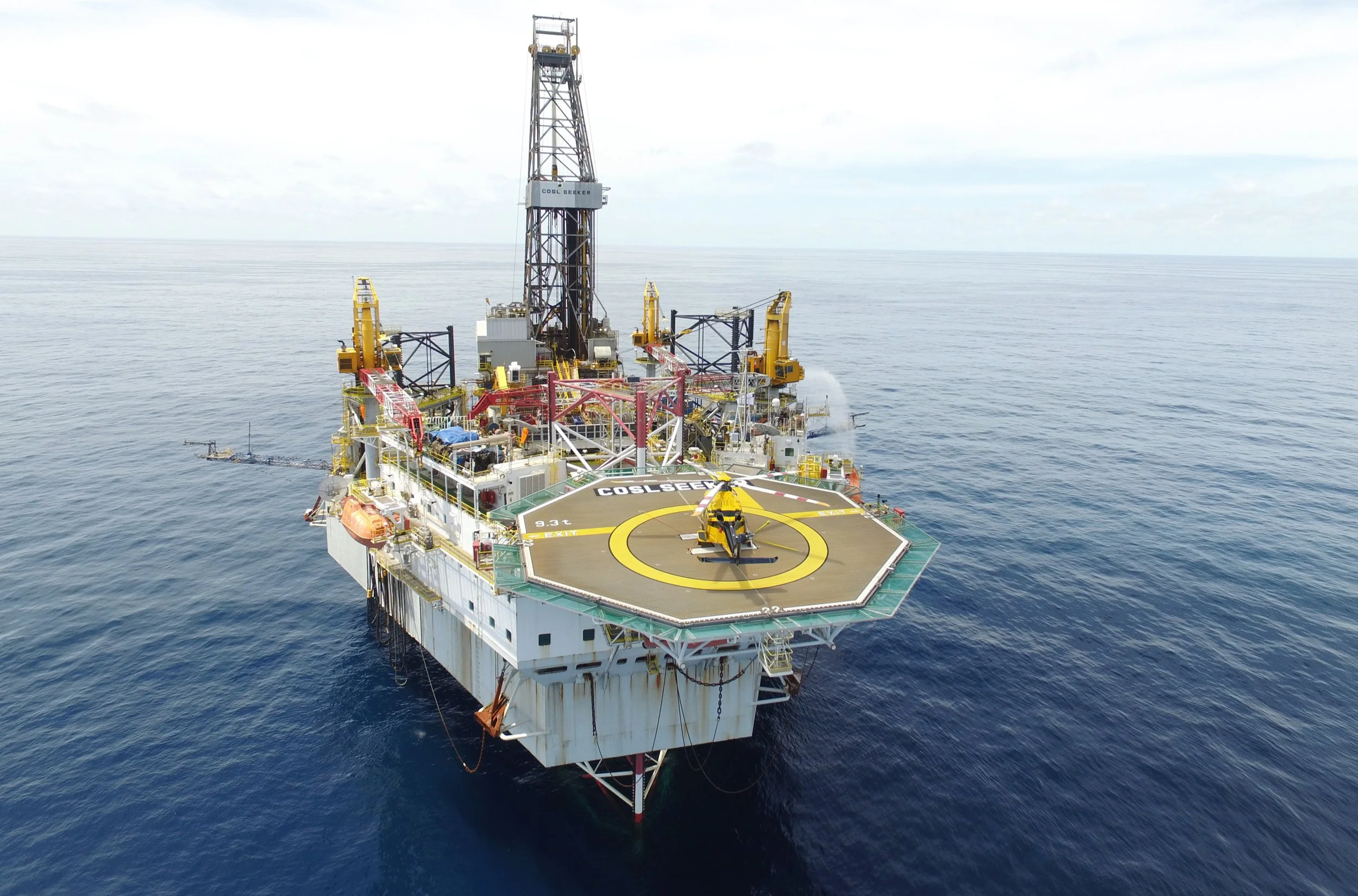
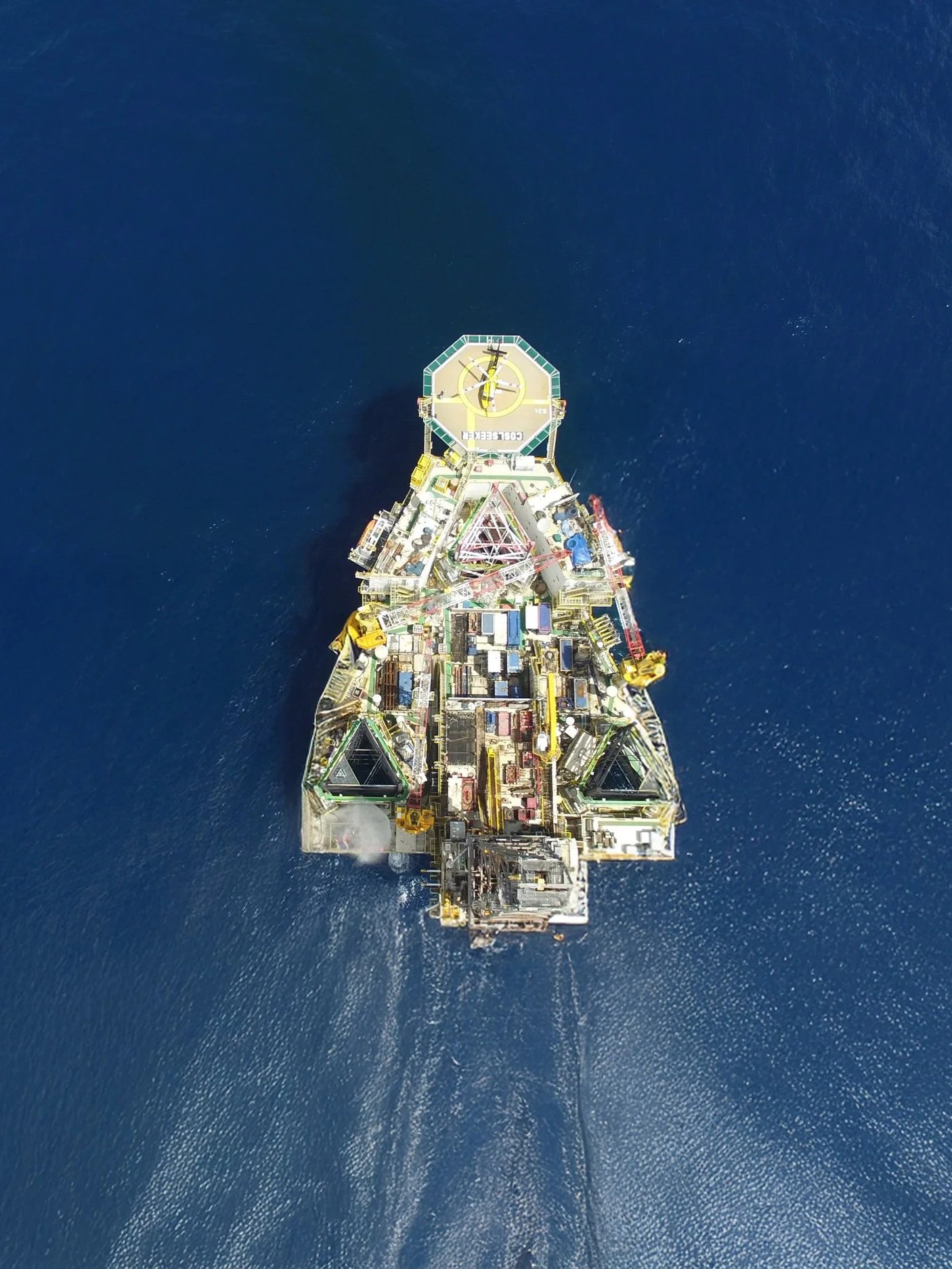
The relatively shallow water depth (93 metres), benign tropical metocean conditions, close proximity to landfall (95 kilometres), and rich hydrocarbon liquids-yield of the gas make the Pasca A field an ideal candidate for development.
Advancing drilling technology
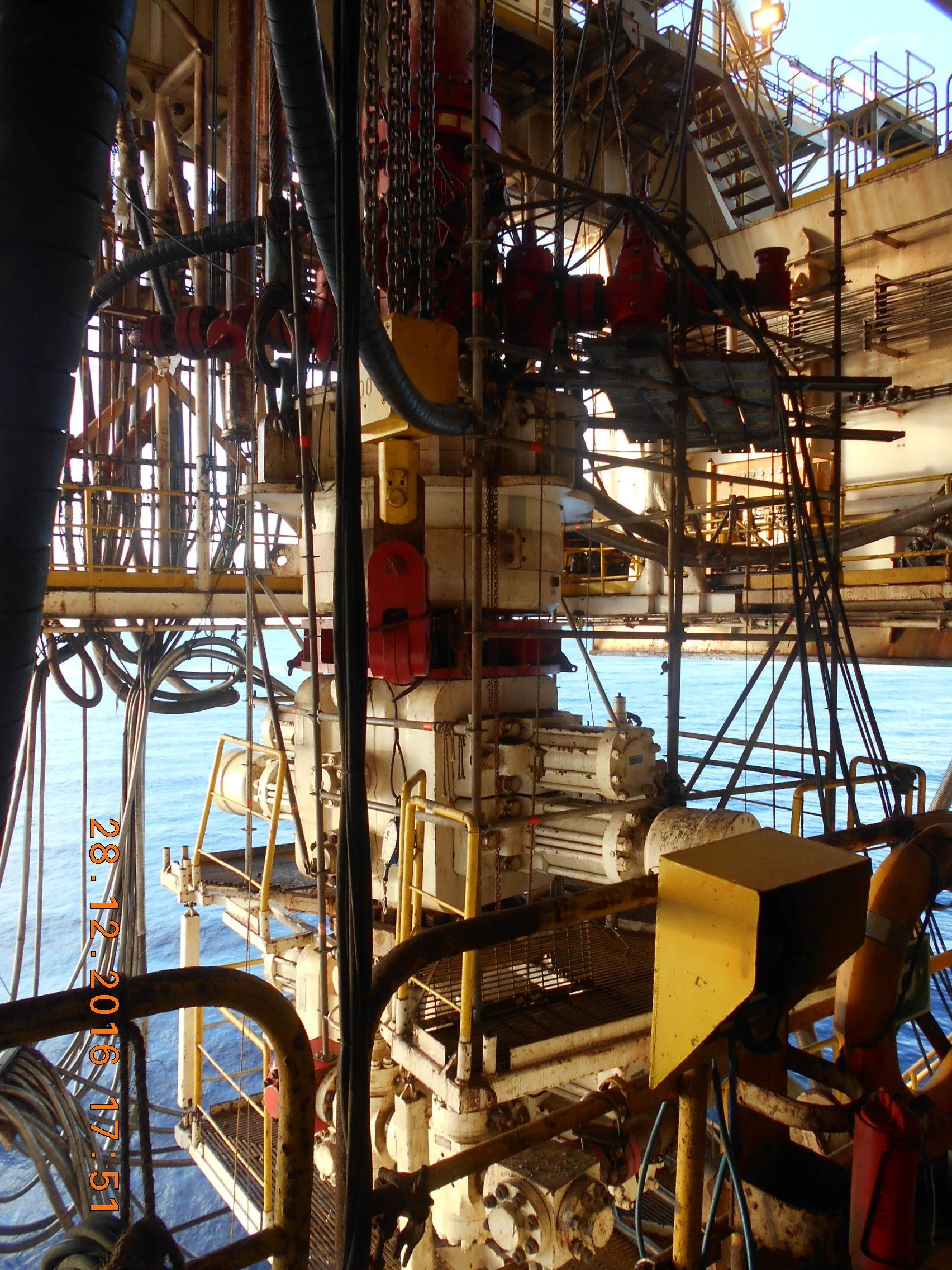
Pasca A4 (AD 1), spudded in September 2017, marked a series of world firsts in drilling innovation. The well deployed a downhole deployed valve (DDV), which allows the lower wellbore to be sealed while tripping in and out. This enhanced well control and complemented the use of managed pressure drilling techniques.
Key milestones achieved
Deepest open hole DDV ever deployed globally
First DDV application with a mud line suspension system
First open hole DDV using customised control line solid centralisers
Twinza’s willingness to extend the operational limits of DDV technology was instrumental to the well’s successful delivery.

Rethinking porosity estimation
Understanding porosity in the carbonate reservoir of Pasca A has long been a challenge for previous operators. The presence of mud, water and cuttings invasion often degrades the quality of logging data.
Twinza took a different approach. We first revived an older empirical method to predict porosity using drilling parameters, and later developed a new physics based approach for improved accuracy.
Explore our technical publication on this advancement
Estimation of formation porosity in carbonates using mechanical specific energy.